

Your Copier Lease Is Ending. Here Are Your Real Options
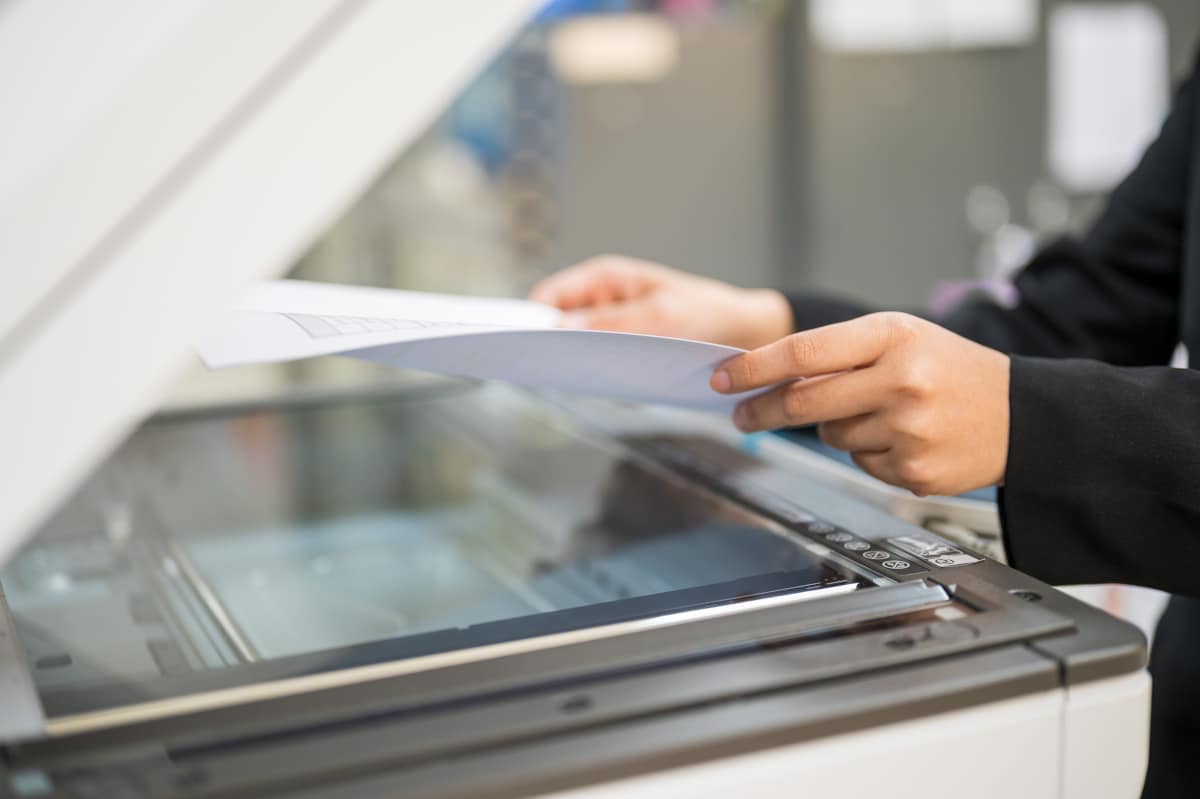
A copier lease does not quietly disappear when the term is up. Most agreements give you four options at the end of a copier lease, and at least one clause in the contract is written to keep you paying if you do nothing.
Knowing what happens before your term ends is the difference between a clean exit and another year of payments on a machine you meant to replace.
Key Takeaways
- You have four options when a copier lease ends: return the machine, buy it out, renew the current lease, or start a new lease on newer equipment.
- A fair market value (FMV) lease and a $1 buyout lease end very differently, so check which one you signed.
- Most copier leases include an auto-renewal, or evergreen, clause that renews the term, often for another 12 months, unless you send written notice in a set window.
- That notice window is commonly 60 to 90 days before the end date. Miss it, and you can owe another full term.
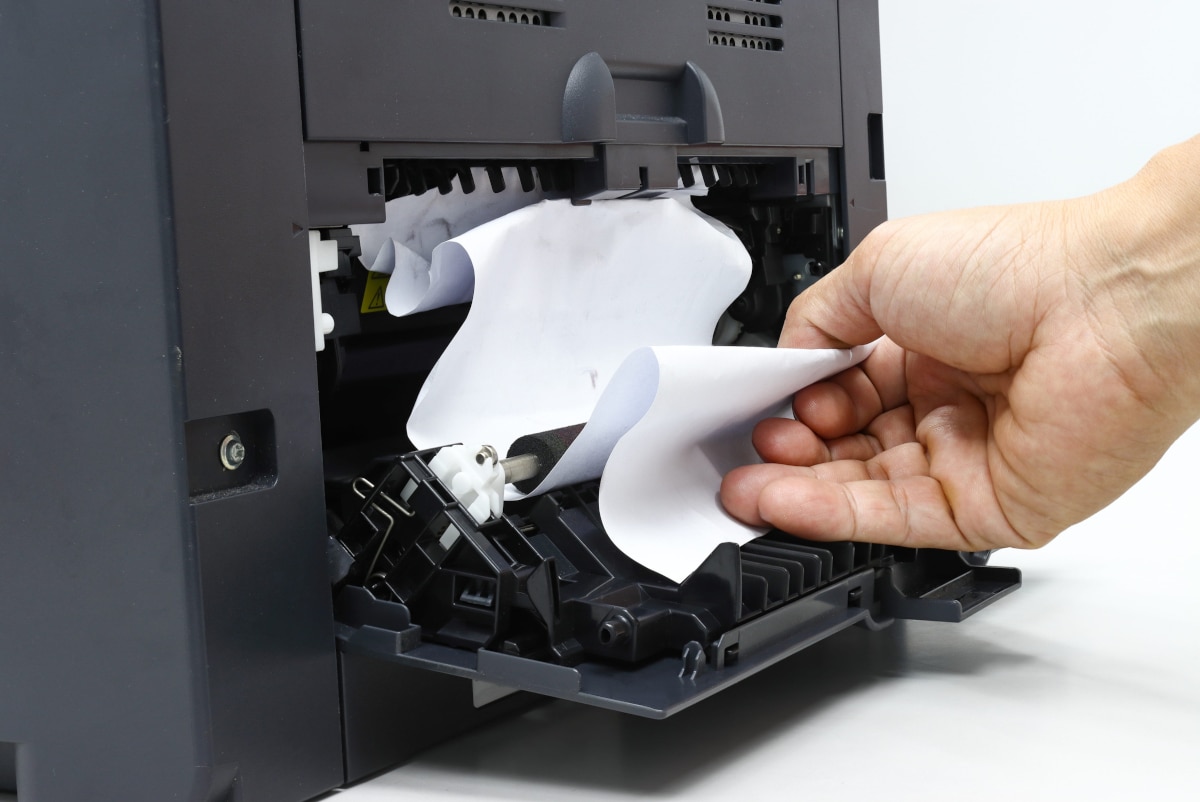
- Returning a copier is rarely free. You may pay for packing, freight, damage beyond normal wear, and clearing the internal hard drive.
- Your service and supply agreement is usually a separate contract that does not end just because the machine goes back.
Your Four Options When a Copier Lease Ends
When a copier lease reaches the end of its term, you have four choices. Each one has a different cost and a different amount of paperwork.
- Return the equipment: send the machine back and walk away, following the return terms in the contract.
- Buy it out: purchase the copier and keep it, at either its market value or a set buyout price.
- Renew the current lease: keep paying on the same machine, often month to month or for another full term.
- Upgrade to a new lease: return the old copier and start fresh on newer equipment.
The catch is that doing nothing is not a fifth option. If you let the end date pass without acting, the contract usually decides for you, and it rarely decides in your favor. More on that below.
Buying Out Your Copier: FMV vs $1 Buyout
Whether a copier lease buyout makes sense depends on which type of lease you signed. The two common structures end in very different numbers.
Fair Market Value
A fair market value lease lets you buy the machine for what it is currently worth, a figure the leasing company sets. That price usually lands somewhere around 10 to 20 percent of the original equipment cost, adjusted for age and condition. FMV leases carry lower monthly payments, which is why they are common, but you own nothing at the end unless you pay that final amount.
$1 Buyout Lease
A $1 buyout lease is the opposite. You pay more each month during the term, and at the end you own the copier outright for a single dollar. This is the structure to pick when you already know you want to keep the machine for years past the lease.
The decision comes down to how long the copier will stay useful. A five-year-old workhorse that still runs clean pages is often worth buying out. A machine that jams weekly and needs a service call every month is not, and returning it is the better move.
If you are weighing this against starting over, our breakdown of buying versus leasing a copier walks through the math over a full term.
Returning the Copier: What It Costs
Returning a leased copier is not as simple as scheduling a pickup, and it is not always free. Three costs surprise businesses at the end of the term.
Logistics
These machines are heavy, and many leases make you responsible for packing the copier and paying freight to ship it back. Confirm who handles that before you assume it is covered.
Condition
The leasing company inspects the returned machine, and damage beyond normal wear can trigger charges. Knowing what the contract counts as acceptable wear protects you from a surprise invoice.
Data
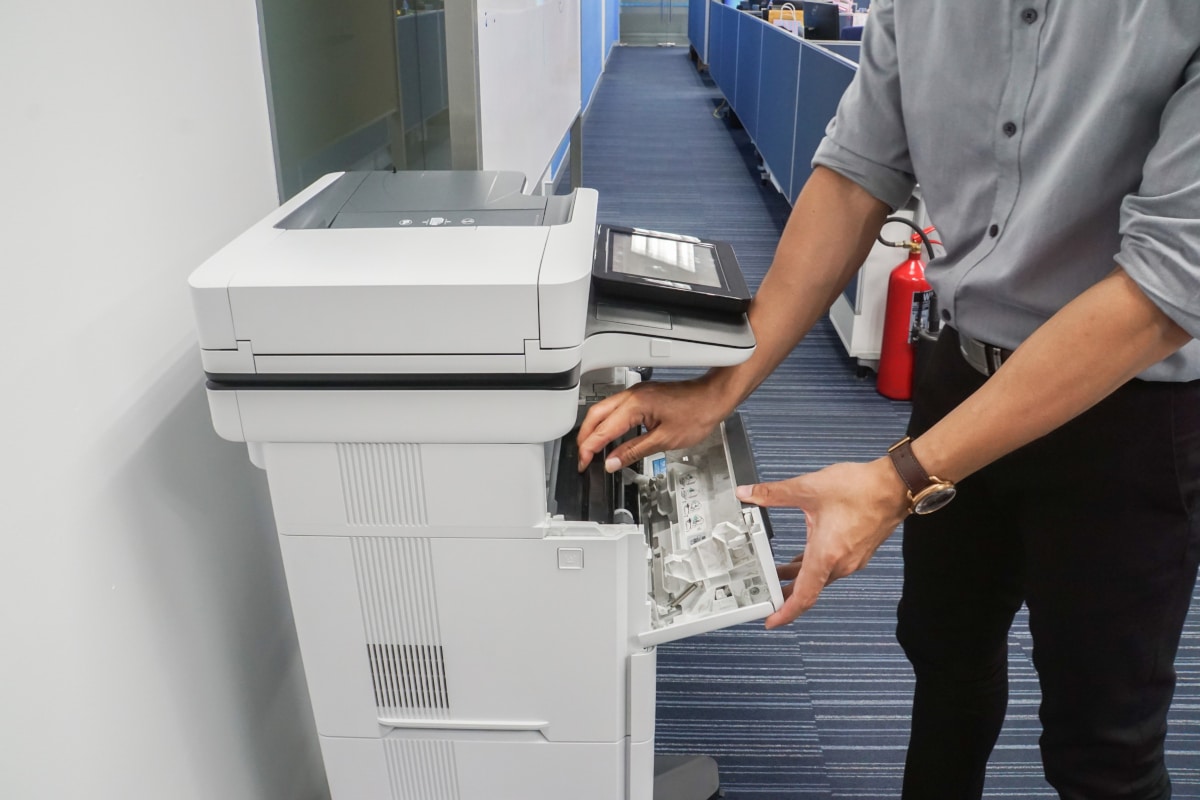
Modern copiers store scanned documents, print history, and sometimes network login details on an internal hard drive. That drive has to be wiped before the machine leaves your office, or you are handing your files to whoever receives it next. Ask your provider in writing who clears the drive and how.
The Auto-Renewal Trap That Keeps You Paying
The most expensive clause in a copier lease is the one that renews it automatically. It is called an evergreen clause, and it works on silence.
Unless you send written notice that you are ending the lease, inside a specific window before the end date, the lease renews on its own. That renewal is usually another 12 months, and some agreements renew for the full original term.
The notice window is commonly 60 to 90 days before the end date, though some run longer. A lease ending December 31 with a 90-day requirement needs your letter to arrive by early October. Land it a day late, and you can be locked into another year on equipment you planned to replace.
Why Your Service Agreement Doesn’t End With the Lease
A copier lease is usually two contracts, not one, and ending one does not end the other. This trips up businesses that think returning the machine closes out everything.
The finance lease, held by a leasing company, sets your monthly payment, the term, and the buyout. The service agreement, held by your dealer, covers repairs, parts, and toner, often billed at a per-page rate tied to your meter readings. These two contracts can have different end dates.
Return or buy out the copier without checking the service agreement, and you may keep getting billed for coverage on a machine you no longer run. When you review the lease end date, pull the service contract at the same time and confirm both.
How to Plan Your Copier Lease Exit in Austin
Start 60 to 90 days before the end date, or earlier if your notice window is longer than 90 days.
Pull the contract and find four things: the end date, the notice window, the buyout formula, and the return terms. Those four tell you what each option costs. From there, the choice is straightforward: keep the machine and buy it out, return it and replace it, or renew if the copier still fits.
Copier lease paperwork is dense by design, and the buyout formula and notice window are the two lines people miss most often. A shop that has handled copier leasing in Austin can read your specific contract with you, flag the notice deadline, and tell you plainly when riding out the term beats an early buyout.
If your lease is coming up, reach out to our team, and we will walk through your options before the window closes.
Conclusion
The end of a copier lease is a deadline, not a surprise. Put the notice window on your calendar the day you sign, know whether you are on an FMV or $1 buyout lease, and decide 60 to 90 days out whether the machine is worth keeping. Handle it early, and you control the outcome. Wait, and the contract controls it for you.

 In the digital age, the way business is done has changed drastically and the paperless movement is big.
 The downside to going completely paperless is there may come times when you cannot access digital documents.
 Deciding between buying or leasing a printer for small business may not be an obvious call. It really depends on the business and its needs.